


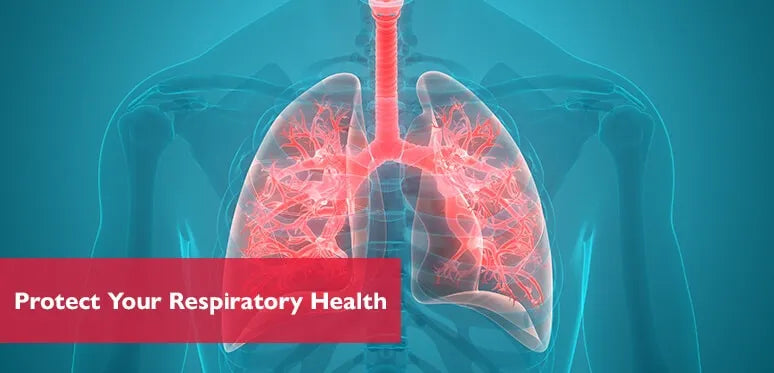
How do you protect your respiratory health from welding fumes?
The most effective way to protect your respiratory health from welding fumes is source capture extraction: removing fumes at the point of generation before they enter your breathing zone. Options range from portable high vacuum units for occasional welding to mobile and stationary extractors for high-volume industrial environments. Welding fume is classified as a Group 1 carcinogen by IARC, making zero exposure the target goal.
Exposure to welding fumes irritates the eyes, nose, mouth, and lungs. Long-term, chronic exposure to welding fumes is known to cause illnesses such as “metal fume fever”, and is known to lead to lung diseases.
In 2017, the International Agency for Research on Cancer (IARC) officially classified welding fume as a Group 1 carcinogen, the same category as asbestos and tobacco smoke. NIOSH estimates over 500,000 workers in the United States are exposed to welding fumes annually.
Common risks include occupational asthma and cancer. “Welder’s lung”, or pneumosiderosis, is another occupational lung disease that welders are at risk of developing. This particular disease occurs when workers, such as welders, are chronically exposed to iron dust.
Due to the risks and dangers of welding fume exposure and their carcinogenic nature, the ideal exposure level is zero and should be the target goal. Numerous systems can help prevent these harmful particulates from entering a welder’s breathing zone, protecting your lungs, health, and general well-being.
The best way to limit the potential health risks is to eliminate or reduce exposure to these fumes. Often this will mean an investment in quality equipment. Unless you enjoy black boogers, of course.
This article will explore fume extraction and ways to protect your respiratory health from welding fumes.
Personal Protection Equipment (PPE)

Next-generation welding helmets, such as the Plymovent PersonalPro, offer some of the best all-around protection from welding fumes. These units feature an additional PAPR unit, where fresh air is filtered and fed into the helmet during welding or grinding work. This air pressure differential helps to prevent welding fumes from entering your breathing area, keeping your airways and lungs clean and clear.
Portable High Vacuum
Portable units offer a high level of flexibility due to their compact nature. These units can be wall-mounted or used as a mobile unit. As such, these units are ideal for occasional welding or for locations where space is limited.

Mobile Fume Extractor
For facilities where welding is a regular activity but workspaces are flexible, a mobile unit may be the ideal choice to help protect your respiratory system. Mobile units may be wheeled around the workshop where they are most needed and offer heavier fume extraction. Higher-end models offer more efficient filters, with the MobilePro being our best-in-class mobile fume extractor.

Stationary Fume Extractor
On the other side of fume extraction, stationary extractors are ideal for facilities where welding takes place in predefined spaces. Often floor space is limited, but the need for effective fume extraction remains. In these circumstances, a stationary fume extractor provides all the benefits of source fume extraction while helping to keep work floors clutter-free.

DownDraft Tables
Flexibility is one of the keys to efficiency. The DownDraft table is suitable for both welding and grinding applications, making it an ideal choice for shops where workpieces are generally consistent in size. These units pull fumes and sparks back, down, and away from your breathing area, helping to keep the air clean and clear.

Frequently Asked Questions
What are the long-term health effects of welding fume exposure?
Long-term exposure to welding fumes is linked to lung cancer, occupational asthma, metal fume fever, manganism, and welder's lung (pneumosiderosis). IARC classified welding fume as a Group 1 carcinogen in 2017, meaning there is sufficient evidence that it causes cancer in humans.
Is a welding helmet enough protection from fumes?
A standard welding helmet protects your eyes and face but does not filter welding fumes from your breathing zone. A PAPR-equipped helmet like the Plymovent PersonalPro, or a dedicated fume extraction system, is required for respiratory protection.
What is the safest level of welding fume exposure?
The target exposure level is zero. OSHA sets a permissible exposure limit of 5 mg/m³ for welding fume particulate as an 8-hour time-weighted average, but given the carcinogenic classification, as low as reasonably achievable is the recommended standard.
What is the difference between a mobile and stationary fume extractor?
Mobile extractors can be wheeled to wherever welding takes place in the shop, making them ideal for flexible workspaces. Stationary extractors are fixed installations suited to dedicated welding stations where floor space is limited.
Related reading: MobileGo vs. MobilePro: Which Fume Extractor Is Right for Your Shop? · What Is a Welding Fume Extractor? · Investing in Industrial Safety: The Long-Term ROI of Fume Extraction


